


Practical information for serious truck accidents across Nevada.

Truck accidents disrupt lives in ways many people never expect. The size and weight of commercial trucks change how crashes unfold and how injuries develop afterward. Many people remain alert at the scene and believe the worst has passed. Pain, stiffness, and confusion often surface later and begin interfering with work, sleep, and daily routines. Recovery starts while clarity remains limited.
Truck crashes rarely involve a single impact. Smaller vehicles often absorb force, then get pushed into barriers or surrounding traffic. Multiple points of contact increase physical stress on the body. Injuries appear in layers rather than all at once. Healing becomes a longer process instead of a short interruption.
Nevada’s road system adds complexity. Long highways encourage sustained speed and fatigue. Tourist traffic introduces unfamiliar driving behavior. Construction zones reduce space and reaction time. Rural stretches delay emergency response while urban corridors compress traffic tightly together.
After a serious truck accident, normal life pauses. Medical care becomes central. Work schedules change or disappear. Pain behaves unpredictably and affects daily decisions. Many people struggle to understand what matters most during the first days after the crash.
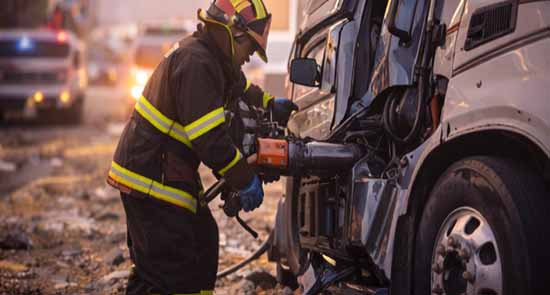
Commercial trucks operate at weights far beyond passenger vehicles. Even moderate speed differences create extreme force during impact. Trailers amplify momentum and affect stability once control breaks down. Physics often determines injury severity before drivers can react.
Stopping distance plays a major role. Trucks require far more space to slow down, especially when fully loaded. Sudden traffic changes leave little room for correction. Nearby vehicles often have nowhere to go once braking begins.
Trailer movement adds further risk. Jackknife and rollover events shift direction rapidly. Vehicles alongside or behind the truck become trapped. Secondary impacts multiply injury potential.
These factors explain why truck accidents often lead to serious injuries rather than minor harm. Recovery timelines extend longer and involve greater uncertainty.
Truck accident cases involve more than individual driver behavior. Commercial operations bring layered responsibility. Dispatch schedules influence pacing. Maintenance routines affect braking and steering. Training standards shape decision making under pressure.
Insurance structures differ as well. Multiple policies may apply. Coverage layers overlap. Positions change as records surface. Early assumptions often shift once documentation is reviewed.
Medical outcomes differ too. Truck crashes frequently involve head trauma, spinal injury, and internal damage. Symptoms evolve rather than resolve quickly. Treatment plans adjust over time. Long-term care becomes part of the discussion.
Understanding these differences helps injured people avoid rushed decisions. Truck accident cases require patience and accurate information rather than speed.
Nevada serves as a major freight corridor connecting coastal ports with inland distribution hubs. Commercial trucks move constantly through the state under tight schedules. This volume increases exposure across long distances.
Night driving remains common on freight routes. Reduced visibility combines with fatigue and extended driving hours. Reaction time shrinks while stopping distance remains long. Mistakes carry greater consequences.
Weather adds another variable. Desert winds affect trailer stability. Sudden storms reduce traction and visibility. Open highways offer little protection from environmental shifts. These conditions magnify risk when combined with heavy loads.
Construction zones concentrate danger. Lane shifts reduce space. Barriers limit escape options. Trucks require more room than available. Minor errors escalate quickly.

Commercial trucking operations generate extensive records. Driver logs track work hours and rest periods. Dispatch communications show delivery expectations and timing pressure. Maintenance files document inspections, repairs, and deferred service.
Electronic vehicle data records speed, braking force, and movement before impact. Trailer records reveal load weight and balance. These details often clarify events more accurately than memory.
Evidence access matters. Some systems overwrite automatically. Vehicles return to service. Repairs alter conditions. Trailers detach and continue operating elsewhere. Time reduces accuracy.
Early awareness preserves information. Organization protects clarity. Reliable records support understanding during recovery.
Truck accident injuries often affect more than one body system. Head injuries interfere with concentration and emotional regulation. Spinal injuries limit mobility and endurance. Orthopedic injuries may require surgery followed by extended rehabilitation.
Pain patterns change over time. Swelling increases as movement resumes. Fatigue limits productivity. Sleep disruption affects mood and focus. These challenges compound daily stress.
Work disruption arrives early. Missed shifts reduce income. Modified duty feels uncertain. Career paths narrow without warning. Planning becomes difficult while recovery remains unpredictable.
Family dynamics shift as responsibilities change. Support systems stretch. Stress increases even when everyone tries to stay positive. Recovery becomes a shared experience.
Clarity restores stability. Understanding what matters reduces anxiety. Reliable information supports thoughtful choices. Rushing rarely benefits recovery.
No one expects to experience a serious truck accident. Learning unfolds in stages. Asking questions restores control. Support reduces isolation during a difficult period.
TruckCrashPros.com provides insight for people affected by severe truck accidents. Recovery rarely follows a straight path. Learning what to expect brings reassurance. Guidance should match real-life pace. Reach out through the contact page when clarity feels useful.